
Emily Meadows
I design structured content experiences that make complex digital information easier to understand and use. With a background in web design and psychology, I focus on information architecture, UX writing, and content systems. Throughout my career I have collaborated with subject matter experts and translated dense material into clear user flows. My work centers around reducing friction so people can confidently find what they need and move forward.
Core Competencies:
Content:
Content Strategy • Governance • Content Audits • Stakeholder Alignment
Design:
Information Architecture (IA) • Taxonomy & Labeling • User Journey Mapping • UX Writing • User Flows
Systems:
Content Systems & Governance • Modular Content Modeling • CMS Strategy (Sanity / Contentful) • Developer Handoff
Featured Work:
These projects showcase my work designing structured content systems, user flows, and information architectures for digital platforms. Each case highlights how I translate complex logic into clear, usable experiences across learning and product contexts.
Case Study: Dynamic Content Architecture & Adaptive Learning
Content Infrastructure for Global EdTech
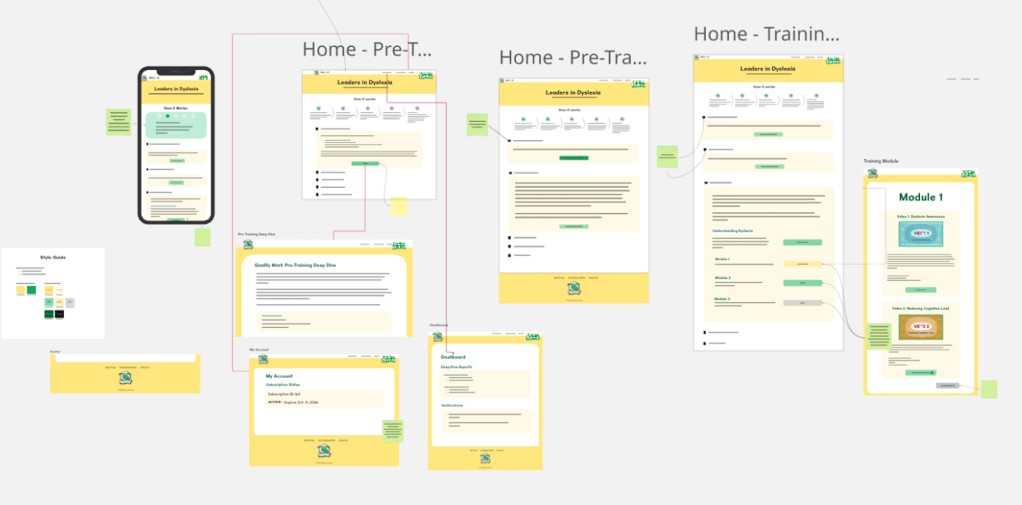
For this project I worked with a SME to translate their expertise into a dynamic, six-lesson learning experience. I designed adaptive content states that change as the learner progresses. I built the information architecture, lesson flows, and developer-ready specifications to create an accessible, and interactive web platform. This project demonstrates end-to-end content design, UX, and systems thinking in action.
Case Study: Psychology-Informed Information Architecture
Psychology-Informed IA
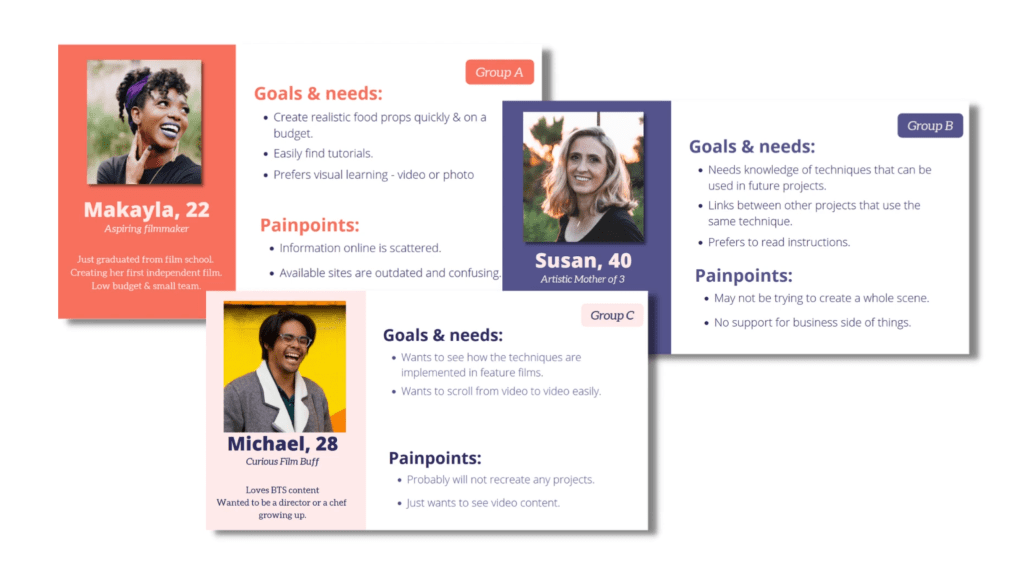
I applied cognitive psychology principles to design the information architecture for FoodCreations.com. I ceated detailed user personas and mental models to inform navigation and taxonomy. I prioritized findability and usability across diverse user needs. This project demonstrates research-driven IA, user-centered design, and content strategy grounded in real user behavior.
Case Study: Content Governance & Operational Strategy
Operationalizing a Global Web Ecosystem (1000+ Assets)
I established governance frameworks and scalable content pipelines for a global web ecosystem of 1000+ assets at Time4Learning. I spent time to conducted a full content audit, aligned legacy content with brand standards, and designed production workflows to streamline operations. This project demonstrates content strategy, systems thinking, and cross-functional collaboration at scale.
 Emily Meadows